
A 2026 Resolution: Build a Harbor, Not a Moat

A few days ago, I got a text inviting me to an in-person workshop about how to “build a moat around your business in 2026.”
It promised smart strategies. Protection. Growth. Security. It used all the right words in all the familiar ways.
And still, my reaction wasn’t anger or offense.
I gagged.
Not because I didn’t understand the metaphor. I did. But because it felt so tired. So fear-based. So lonely. So… dated.
The idea that the best way to survive what’s coming is to wall yourself off from everyone else.
So I wrote back, honestly, maybe a little bluntly. Why would anyone want to build a moat around their business?
I was told to read the description. That it was about protecting what you have and growing it.
I replied that I knew what the business moat analogy meant. I just didn’t subscribe to its importance. That this industry needs more collaboration, not more gatekeeping.
Because here’s the thing, no one puts in the marketing copy.
When you build a moat, you don’t just keep competitors out. You keep help out. You keep curiosity out. You keep surprise out. You keep humanity out.
And eventually, you keep yourself in.
That same week, I was trying to help a family find a home.
Not just any home. A landing place for their elderly parents. People who had never lived in New Orleans before. People who were nervous, excited, pressured, hopeful. Middle-aged children carrying a lot and trying to do right by the people who raised them.
Timing mattered. Fit mattered. Trust mattered.
We were already under contract on something that had been sold as a “cute little historic place with good bones,” but was, in reality, a project house that was starting to fall apart under inspection. It wasn’t right for them. Not for their timeline. Not for their capacity. Not for what they were trying to protect. But nothing else on the market fit either.
So I did something simple.
I wrote a clear, thoughtful email explaining exactly what they needed. Then I sat and thought about who I knew who might genuinely be in a position to help. Not a blast. Not a list. Not a template. Real people. Typed in by hand.
I sent it BCC’d, not to be secretive, but to be respectful. So no one would reply-all and blow up each other’s inboxes right before the holidays. So it would stay calm, clear, and, because doing so was efficient. So people could choose to respond without being pulled into a spectacle.
Six or eight people replied.
One asked, a little snarkily, if everything was okay since the email said “urgent.”
One offered a listing in a nearby neighborhood that wasn’t quite right, but the offer was made in good faith.
One said they might have something and then went and emailed their clients.
And one demanded to be unsubscribed from my “mass distribution emails,” then followed it with a bullet-pointed list of his accomplishments when I told him I had actually typed his name in because I’d heard he was making a waves in the area.
Two of those people acted with their clients’ interests in mind. The others acted out of personal motives.

Only one of those creates positive forward momentum.
This is what gets lost in the moat conversation.
The clients don’t benefit from isolation. They benefit from flow.
From agents who pick up the phone. From people who share what they know. From professionals who aren’t afraid that helping someone else means losing something themselves.
Fear makes you smaller. Collaboration makes you faster.
And in a place like New Orleans, that difference matters.
We are a port city. We are layered recipes passed down and traded. We are bartering and borrowing and lending. We are neighbors clearing storm drains for overwhelmed neighbors. We are people pulling each other’s trash cans back in from the street when someone forgets.
We survive because we circulate.
What happens when a port becomes a series of sealed fortresses? A sea of islands, each afraid of the other, each hoarding what it has?
That’s not resilience. That’s just loneliness with better marketing.
So here we are, two days from 2026.
And my resolution for this industry, and this city, and the way we do business inside it is simple.
I don’t want more castles.
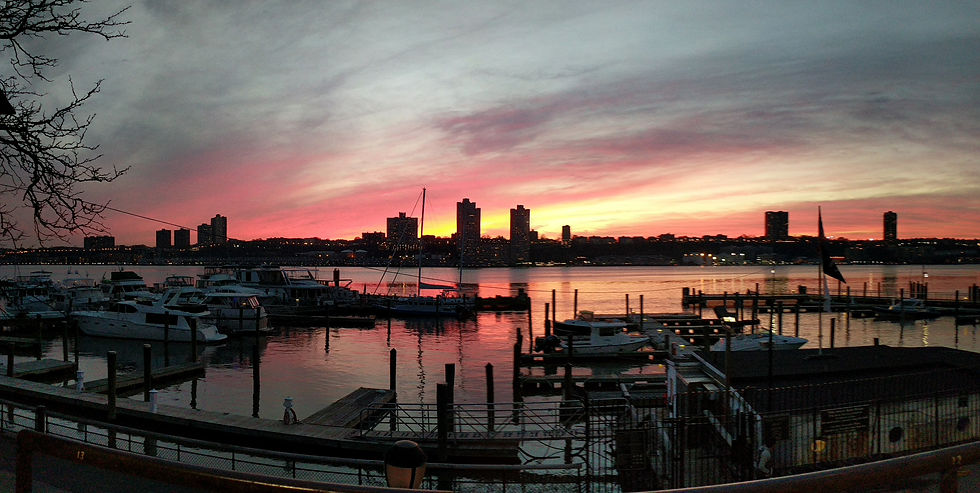
I want bridges. I want docks. I want rainbow roads and moving sidewalks and whatever strange, generous way you know how to connect.
However you do it, just do it more, not less.

Because people don’t feel safer when their agent is hiding behind a moat, they feel safer when someone shows up.
And in the end, that’s what actually protects what we’ve built.
Not walls.
But community.

Celebrated for her next-level creative approach to real estate, Elisa Cool Murphy is an award-winning, top-performing real estate broker in New Orleans and the founder of Cool Murphy Real Estate.
Contact Her -
email: cool@coolmurphy.com
Facebook: @homeinneworleans
IG: @coolmurphynola
YouTube: @coolmurphynola
phone: 504-321-3194


Comments